
How Social Media Is Changing Fashion Trends Worldwide
Quick Answer
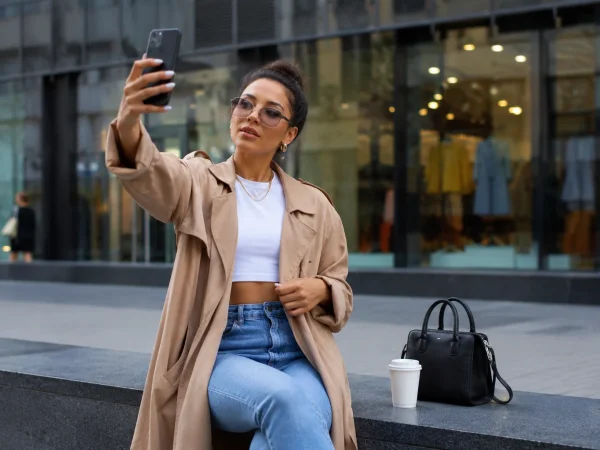
Social media changes fashion trends by making style discovery faster, more visual, and more creator-driven. Platforms like TikTok, Instagram, Pinterest, and YouTube Shorts help trends spread globally within days.
Social media has completely changed fashion. Trends no longer move only from runways to magazines to stores. In 2026, fashion trends often begin with creators, celebrities, street style videos, TikTok aesthetics, Pinterest boards, and viral outfit formulas.
This shift matters for fashion bloggers because readers now discover fashion visually. They want quick inspiration, practical styling advice, and direct answers. A strong fashion website must understand how social platforms influence what people wear and search for.
For Tier 1 and Tier 2 audiences, social media has made fashion more accessible. Someone in a smaller city can now discover the same trend as someone in a global fashion capital within seconds.
How Social Media Changed Fashion Discovery
Before social media, fashion discovery was slower. People learned trends through magazines, celebrities, runway shows, television, and store displays. Today, a trend can become global through a 15-second video.
Social media makes fashion visual, fast, and interactive. Users save outfits, share videos, comment on looks, follow creators, and immediately search for similar products.
This has created a new fashion cycle: see, save, search, buy, recreate, and post. Fashion is now both personal style and online content.
TikTok and the Rise of Micro-Trends
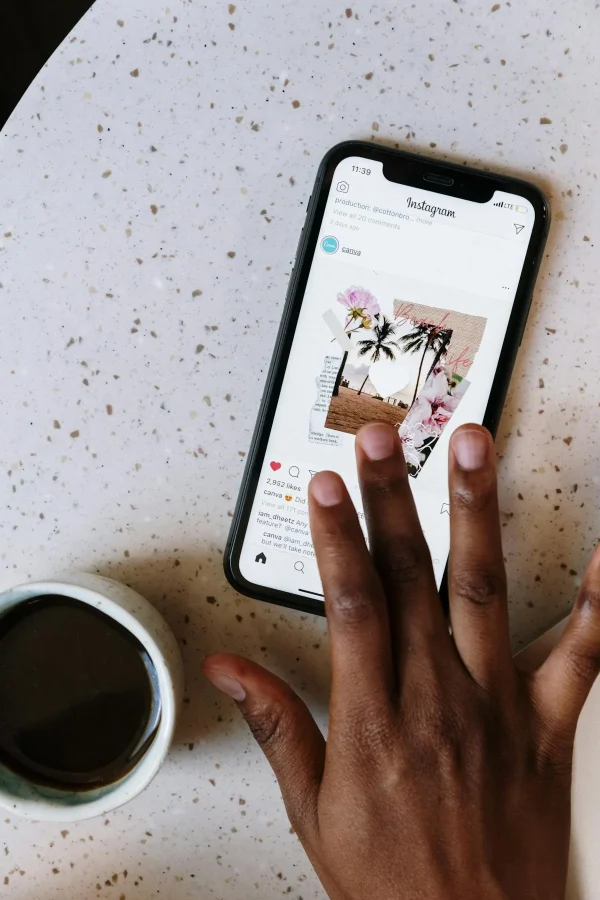
TikTok has made fashion trends move extremely fast. Aesthetic names, outfit formulas, and styling hacks can go viral overnight. Examples include clean girl style, old money aesthetic, coastal fashion, quiet luxury, office siren, and streetwear variations.
The benefit is that people discover new ideas quickly. The downside is trend fatigue. Many consumers feel pressure to keep buying new pieces for every aesthetic.
Fashion bloggers can help readers by filtering trends. Instead of promoting every micro-trend, explain which ones are wearable, affordable, and worth keeping.
Instagram Still Shapes Visual Fashion Identity
Instagram remains powerful for fashion because it is highly visual. Outfit posts, reels, carousel guides, creator styling videos, and brand campaigns all influence fashion behavior.
Instagram fashion often focuses on polished personal branding. Users want outfits that look good in photos, travel content, events, and lifestyle posts.
This is why neutral outfits, capsule wardrobes, celebrity-inspired styling, and minimal luxury aesthetics perform well on Instagram.
Pinterest Is the Search Engine of Fashion Inspiration
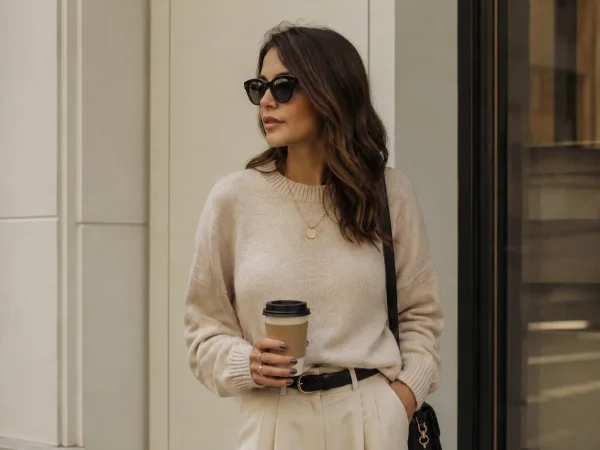
Pinterest is especially important for fashion blogs because users go there with planning intent. They search for outfit ideas, capsule wardrobes, wedding looks, streetwear inspiration, seasonal trends, and aesthetic mood boards.
Unlike fast social feeds, Pinterest content can drive traffic for months or years. This makes it valuable for evergreen fashion topics such as capsule wardrobes, sneakers, quiet luxury, and budget outfits.
Fashion websites should create Pinterest-friendly images, clear headings, and articles that answer specific styling questions.
Influencers Are New Fashion Gatekeepers
Influencers have become powerful because they feel relatable. Many users trust creators more than traditional advertisements because creators show clothing in daily life.
Influencers shape what people buy, how they style outfits, and which brands become popular. They also introduce trends to Tier 2 audiences that may not have direct access to fashion events or premium retail spaces.
Fashion blogs can use influencer culture as a content angle by explaining viral outfits, creator aesthetics, and affordable alternatives.
Celebrity Fashion Spreads Faster Than Ever
Celebrity outfits now spread instantly. Airport looks, concert outfits, red carpet appearances, and casual street photos can become global fashion references within hours.
Social media turns celebrity style into practical shopping intent. People ask: what is this outfit, how can I recreate it, and where can I buy similar pieces?
This connects strongly with your Celebrity Fashion Trends blog and your Quiet Luxury Fashion article.
Social Media and Tier 2 Fashion Growth
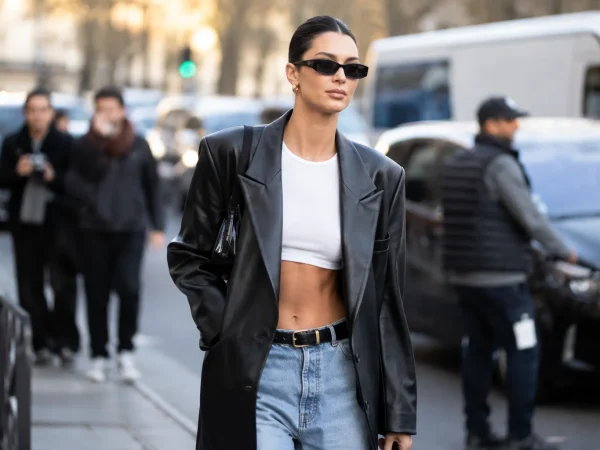
Social media has helped Tier 2 fashion audiences grow quickly. People in smaller cities now follow global creators, save outfit ideas, discover brands, and participate in the same fashion conversations as Tier 1 audiences.
However, their needs may be more practical. They often want affordable alternatives, climate-friendly styling, modest options, local shopping ideas, and easy outfit formulas.
This is why fashion blogs should combine global trends with practical guidance. The best content explains how to adapt trends to real life.
The Problem With Fast Trend Cycles
Fast trend cycles can create overconsumption. When every week brings a new aesthetic, users may feel that their wardrobe is always outdated.
This is where capsule wardrobes, quiet luxury, and sustainable fashion become important. They help readers build a stable wardrobe while still enjoying trends selectively.
A healthy fashion approach is to follow trends for inspiration, not pressure. Readers should ask whether a trend fits their lifestyle before buying into it.
How Fashion Blogs Should Use Social Trends
Fashion blogs should not simply copy social trends. They should explain them better than social media does. A TikTok video may show an outfit quickly, but a blog can explain why it works, how to recreate it, what to buy, and what mistakes to avoid.
Strong blog formats include trend explainers, outfit formulas, affordable alternatives, shopping guides, and FAQ sections. These formats are SEO and AEO friendly.
Internal linking is also important. A social media trends article should link to Streetwear, Celebrity Style, Capsule Wardrobe, Sneakers, and Fashion Culture content.
Final Thoughts
Social media has made fashion faster, more global, and more democratic. It gives everyone access to inspiration, but it also creates trend overload.
The role of a strong fashion blog is to organize this chaos. Help readers understand what matters, what is wearable, and how to build style without overspending.
FAQs
How does social media influence fashion?
Social media spreads outfit ideas quickly, shapes buying decisions, and turns creators and celebrities into trend leaders.
Which platform influences fashion the most?
TikTok drives fast trends, Instagram shapes visual identity, and Pinterest supports long-term outfit planning.
Why do fashion trends spread so fast now?
Short-form videos, influencer recommendations, algorithms, and global online shopping make trends spread within days.
Is social media fashion bad for sustainability?
It can encourage overconsumption, but it can also promote thrifting, capsule wardrobes, and smarter styling.
How can fashion blogs use social media trends?
Blogs can explain trends clearly, provide outfit formulas, suggest affordable alternatives, and link related articles together.