
How Global Fashion Culture Is Changing in Tier 1 and Tier 2 Cities
A Global Fashion Culture Report on Social Media, Streetwear, Affordability, and Local Identity
Quick Answer
Global fashion culture is changing because social media, online shopping, creator content, affordable brands, streetwear, and Korean fashion have made trends accessible beyond major cities. Tier 2 audiences now participate in the same fashion conversations as Tier 1 cities, while adding local culture and practical styling needs.
Fashion is no longer controlled only by Paris, Milan, London, New York, or other traditional fashion capitals. In 2026, fashion culture is global, digital, fast-moving, and increasingly shaped by everyday creators.
Tier 1 cities still influence style through luxury retail, events, creators, and premium shopping experiences. But Tier 2 cities are now becoming highly fashion-conscious because of social media, affordable online shopping, influencer culture, and better access to global trends.
This shift is important for fashion bloggers because the audience is no longer limited to elite fashion readers. People from growing cities want practical fashion advice, affordable styling, celebrity inspiration, grooming tips, streetwear ideas, and culturally relevant outfit guidance.
Fashion Is No Longer Limited to Fashion Capitals
For decades, global fashion conversations were led by luxury capitals, runway shows, magazines, and elite designers. These still matter, but they no longer control the entire conversation. Today, trends often begin on social media, in music videos, on city streets, or through independent creators.
This means fashion is more democratic. A creator from a smaller city can influence thousands of people with a single outfit video. A local boutique can become popular because of Instagram. A student can recreate a Korean-inspired outfit using affordable clothes and reach a global audience.
Fashion culture has moved from top-down influence to network influence. Instead of waiting for magazines, audiences discover trends directly from creators, celebrities, friends, and algorithms.

Tier 2 Cities Are Becoming Fashion-Conscious
Tier 2 cities are now major growth areas for fashion content. Young consumers in these markets are increasingly interested in styling, grooming, sneakers, accessories, skincare, streetwear, and celebrity looks.
The biggest reason is access. Earlier, people in smaller cities had limited fashion exposure and fewer shopping options. Now they can browse global trends, follow creators, order clothing online, and compare styles instantly.
However, Tier 2 fashion needs are slightly different from Tier 1. Readers often want affordability, practicality, comfort, and styling ideas that suit real life. They may like luxury aesthetics, but they want achievable versions. This is why topics like “look expensive on a budget” and “affordable streetwear” work so well.
Social Media Is the Main Fashion Engine
Social media has turned fashion into daily content. People no longer wait for seasonal fashion weeks to know what is trending. They see outfit inspiration every day through Instagram reels, TikTok videos, Pinterest boards, YouTube Shorts, and creator posts.
This has changed how people shop. Many consumers now discover a style first, save the post, search for similar items, and then buy from affordable brands or local sellers. Fashion has become more visual, faster, and more interactive.
Platforms That Shape Fashion Culture
- Instagram for outfit discovery and influencer style
- Pinterest for mood boards and long-term inspiration
- TikTok for fast trend cycles and viral aesthetics
- YouTube Shorts for quick styling education
For fashion bloggers, this means blog content should be visual, scannable, and easy to convert into social media posts.

Streetwear Became a Universal Style Language
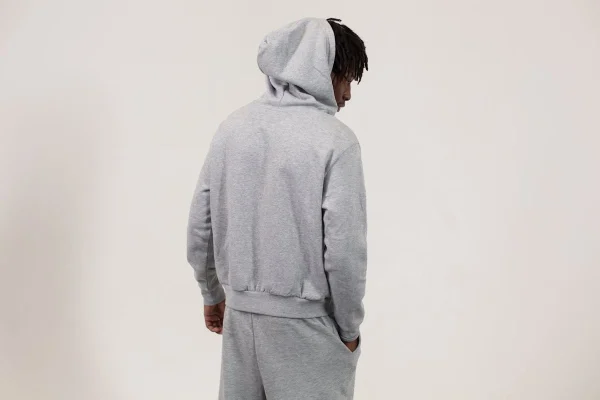
Streetwear is one of the clearest examples of global fashion culture. It started from specific communities but now appears in cities around the world. Oversized hoodies, sneakers, cargos, graphic tees, caps, and relaxed jackets are understood across cultures.
The reason streetwear travels so well is that it is flexible. It can be luxury or affordable, loud or minimal, masculine or feminine, local or global. A person can mix streetwear with traditional clothing, smart casual pieces, or celebrity-inspired accessories.
Streetwear also connects with music, gaming, sports, and youth culture. This gives it emotional power beyond clothing.
Korean Fashion Influence Is Still Expanding
Korean fashion has become a global influence because it combines minimalism, layering, comfort, and clean aesthetics. K-pop, Korean dramas, and Seoul street style have helped spread Korean-inspired outfits around the world.
Korean style is especially attractive because it is easy to adapt. Wide-leg trousers, oversized shirts, sweater vests, neutral jackets, soft colors, and minimal sneakers can be found at many affordable retailers.
For Tier 2 audiences, K-fashion is aspirational but not impossible. It gives readers a stylish direction that can be recreated through affordable basics.
Affordable Fashion Is Driving Participation
Fashion culture grows faster when more people can participate. Affordable brands, online marketplaces, thrift stores, local boutiques, and direct-to-consumer labels have made fashion more accessible.
Consumers no longer need luxury budgets to experiment with style. They can try streetwear, minimalism, old money aesthetics, celebrity looks, or Korean-inspired outfits using lower-cost pieces.
This affordability also changes content strategy. Articles that combine aspiration with budget practicality usually perform better than purely luxury-focused content. Readers want style they can actually use.
Local Culture Still Matters
Even though fashion is global, local identity has not disappeared. In fact, some of the most interesting modern fashion comes from mixing global trends with local culture.
For example, a reader may combine streetwear sneakers with traditional textiles, wear minimal tailoring with local jewelry, or style global basics for local weather. This creates fashion that feels personal rather than copied.
Fashion bloggers should pay attention to regional climate, lifestyle, festivals, cultural expectations, and shopping behavior. A topic that works in London may need a different angle for India, Southeast Asia, the Middle East, or Latin America.
Sustainability Is Changing the Conversation
Younger consumers are more aware of fashion waste, overconsumption, and ethical production. This has made sustainability part of mainstream fashion culture.
Sustainable fashion does not only mean expensive eco-brands. It also includes buying fewer pieces, choosing better basics, thrifting, rewearing outfits, repairing clothes, and avoiding unnecessary trend purchases.
This message is important for Tier 1 and Tier 2 audiences because it connects budget fashion with responsible fashion. A capsule wardrobe can save money and reduce waste at the same time.
Technology Will Make Fashion More Personalized
Technology is changing fashion discovery and shopping. AI styling tools, virtual try-ons, personalized recommendations, digital wardrobes, and social shopping will continue growing.
For readers, this means fashion advice will become more personalized. People will expect outfit ideas based on body type, budget, climate, color preference, and occasion. For bloggers, this creates opportunities to publish highly specific content such as “office outfits for hot weather” or “minimal streetwear for college students.”
Final Thoughts
Global fashion culture in 2026 is more connected, accessible, and diverse than ever. Tier 1 cities still influence trends, but Tier 2 cities are now active participants in fashion culture.
Social media, affordable shopping, streetwear, Korean fashion, sustainability, and local identity are all shaping the way people dress. Fashion is no longer only about luxury or exclusivity. It is about expression, creativity, confidence, and access.
For a fashion blogging website, this topic is powerful because it allows you to connect global trends with practical local relevance. That is where the strongest reader interest often lives.
Tier 1 vs Tier 2 Fashion Behavior
Tier 1 fashion audiences often have faster access to premium stores, fashion events, international brands, and creator communities. They may be more aware of runway trends, niche aesthetics, luxury collaborations, and sustainable fashion conversations.
Tier 2 audiences are just as style-conscious, but their priorities often include affordability, practicality, climate suitability, and social acceptance. They want fashion that improves confidence without feeling unrealistic. This is why budget fashion, styling hacks, celebrity-inspired outfits, and smart casual guides perform strongly.
The best fashion content does not treat Tier 2 audiences as behind. Instead, it recognizes that they are active, digital, and trend-aware, but they need content that connects global inspiration with local reality.
Why Localized Fashion Content Wins
Global fashion topics become more powerful when localized. A general article about streetwear is useful, but “streetwear for Indian summers” or “affordable Korean-style outfits for college students” is more specific and actionable.
Localization can include weather, budget, cultural events, shopping availability, body types, color preferences, and lifestyle needs. For example, a winter layering guide may work well in Europe, but a tropical market may need lightweight layering ideas.
Fashion bloggers should create global pillar content and then build local variations. This strategy improves SEO coverage and makes the website more relatable.
The Future of Fashion Culture
The future of fashion culture will be more personalized, more visual, and more mixed. People will not follow one style category strictly. They will combine streetwear, minimalism, local tradition, celebrity inspiration, sustainability, and comfort.
AI styling, virtual try-ons, creator-led shopping, and social commerce will make fashion discovery faster. At the same time, readers will still need human-friendly guidance: what looks good, what is worth buying, and how to style trends in real life.
This is where fashion blogs can stay valuable. A good blog does not only report trends. It explains them clearly, adapts them to the reader’s life, and helps people make better style decisions.
FAQs
How is fashion changing in Tier 2 cities?
Tier 2 cities are becoming more fashion-conscious because of social media, online shopping, creators, and affordable access to global trends.
Do Tier 1 and Tier 2 audiences want the same fashion content?
They overlap, but Tier 2 audiences often prefer more affordable, practical, and relatable styling ideas, while Tier 1 audiences may seek trend analysis and premium aesthetics.
Why is social media important for fashion culture?
Social media spreads trends quickly and makes fashion inspiration available to anyone with internet access.
What global trends are strongest in 2026?
Streetwear, Korean fashion, quiet luxury, affordable styling, sustainability, and creator-led fashion are major global trends.
How can fashion blogs serve global audiences?
Combine aspirational trends with practical styling tips, affordable alternatives, regional relevance, and strong visuals.