
Why Copenhagen Fashion Is Influencing Sustainable Street Style in 2026
Quick Answer
Copenhagen fashion is influencing global street style in 2026 because it makes sustainability look practical, stylish, and wearable. The city’s fashion culture combines Scandinavian minimalism, cycling-friendly dressing, relaxed tailoring, conscious shopping, and streetwear-inspired layering. Places like Copenhagen Fashion Week, Nørrebro, and Nyhavn give this trend a real-world identity that feels both aspirational and realistic.
Fashion in 2026 is changing direction. People are no longer impressed only by runway drama, logo-heavy outfits, or trend pieces that last for one season. Readers now want fashion that works in real life: clothes that can be repeated, layered, photographed, travelled in, and worn comfortably throughout the day.
This is exactly why Copenhagen fashion has become so influential.
Copenhagen does not represent fashion that only looks good in editorials. It represents clothing that works for cycling to work, walking through cafés, attending creative events, moving through unpredictable weather, and still looking effortless. That practical elegance is what makes Copenhagen one of the most relevant fashion cities for modern readers of The Fashion Trending.
Copenhagen fashion is not about trying too hard. It is about looking intentional while living realistically.
Why Copenhagen Is the Right Next Fashion Topic
After covering old money fashion, Tokyo street style, Korean fashion, capsule wardrobes, airport fashion, quiet luxury, and minimal dressing, Copenhagen is the natural next topic for The Fashion Trending. It connects multiple themes your website already owns: practical minimalism, sustainability, streetwear, travel culture, and real-world fashion psychology.
The biggest advantage of Copenhagen fashion is that it feels current without feeling temporary. It is not built around one viral micro-trend. It is built around a complete lifestyle: cycling, cafés, design culture, sustainability, layering, and quiet confidence.
That makes the topic stronger than a generic “outfit ideas” article. It explains why a real city is influencing global style behavior.
Copenhagen style has also become popular because it is realistic. A reader may not wear dramatic runway fashion daily, but they can wear relaxed trousers, oversized blazers, knitwear, sneakers, trench coats, tote bags, and layered basics. This gives the topic high readability intent and strong SEO value.
How Copenhagen Fashion Week Changed Sustainable Style
Copenhagen Fashion Week helped change how people view sustainable fashion. For a long time, many consumers imagined sustainable clothing as plain, limited, or less fashionable. Copenhagen challenged that idea by presenting sustainability as modern, stylish, and commercially desirable.
The street style around Copenhagen Fashion Week became almost as influential as the runway shows. Editors, buyers, influencers, and creators wore outfits that felt polished but still functional. Oversized blazers, relaxed trousers, long coats, colorful knitwear, minimal sneakers, and structured bags became signature elements.
This mattered because it showed that conscious fashion does not have to look boring. It can look editorial, social-media friendly, and practical at the same time.
The realistic insight here is simple: modern consumers do not want sustainability presented as guilt. They want it presented as better style, better quality, and smarter wardrobe behavior.
The Real-World Influence of Nørrebro
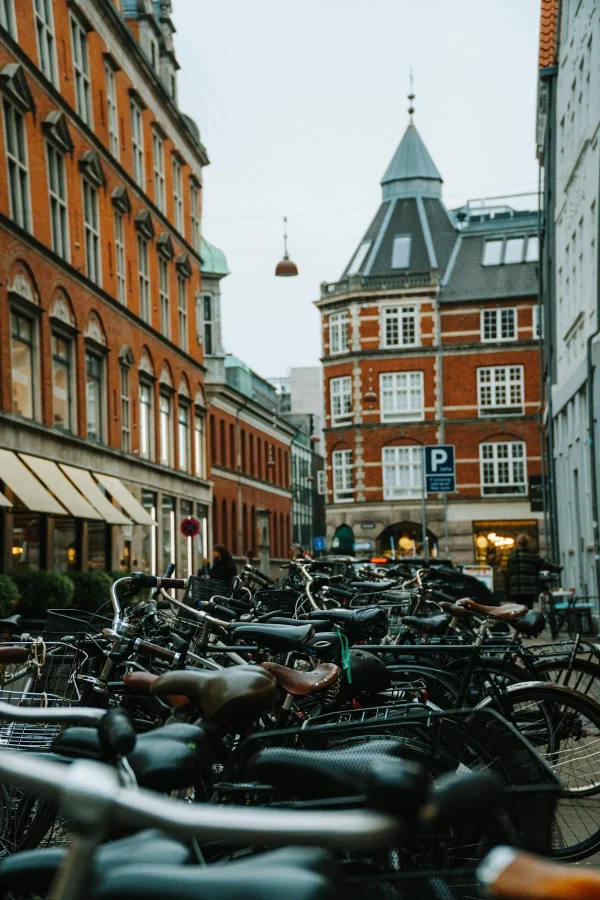
Nørrebro is one of Copenhagen’s most important cultural neighborhoods for understanding local style. It is known for vintage shops, cafés, creative communities, bicycles, independent design, and relaxed street culture.
This matters because fashion in Nørrebro does not feel like a costume. It feels lived-in. People mix second-hand pieces with modern basics, oversized outerwear with sneakers, and minimalist clothing with personal accessories.
That is exactly what makes Copenhagen street style powerful. It is not only about clean Scandinavian minimalism. It is about how real people combine sustainability, comfort, and identity in daily life.
For a fashion blog, linking a trend to a place like Nørrebro gives the article more authority. Readers can visualize where the style comes from instead of seeing it as a vague internet aesthetic.
Why Cycling Culture Changed Everyday Outfits
Copenhagen’s cycling culture has a direct effect on fashion. In many cities, fashion is designed mainly for appearance. In Copenhagen, clothing also has to move.
This changes outfit choices. People need coats that work while cycling, shoes that are comfortable, trousers that allow movement, and layers that handle changing weather. The result is a style culture that naturally values practicality.
That practicality is now globally relevant. Readers everywhere are looking for outfits that support real routines: commuting, travel, coffee meetings, casual offices, shopping, and social content creation.
Cycling-friendly fashion also explains why Copenhagen outfits often include sneakers, boots, crossbody bags, relaxed coats, and functional layers. These are not random styling choices. They come from lifestyle needs.
Scandinavian Minimalism Meets Streetwear
Copenhagen fashion is not only minimalist. It is minimalist with personality.
Traditional Scandinavian fashion is known for neutral colors, clean lines, simple silhouettes, and practical materials. But Copenhagen adds a streetwear twist through oversized proportions, relaxed tailoring, sneakers, utility bags, and layered outerwear.
This combination feels very 2026 because it balances calmness and expression. Readers who love minimal fashion can still look modern. Readers who enjoy streetwear can make their outfits more refined.
Common Copenhagen-inspired outfit pieces include oversized blazers, relaxed trousers, long wool coats, trench coats, chunky scarves, minimal sneakers, crossbody bags, neutral knitwear, and wide-leg denim.
This creates outfits that feel polished without being formal.
Why Gen Z Connects With Copenhagen Fashion
Gen Z connects strongly with Copenhagen fashion because it reflects their changing values. Many younger consumers care about sustainability, but they do not want fashion to feel dull or restrictive. They want personality, comfort, and social-media-friendly visuals.
Copenhagen style gives them all three.
It supports outfit repeating, second-hand shopping, neutral wardrobes, gender-neutral styling, and relaxed silhouettes. It also photographs beautifully because Scandinavian styling often uses soft colors, clean backgrounds, and strong proportions.
This is why Copenhagen aesthetics perform well on Pinterest and Instagram. The outfits look calm, but not boring. They feel aspirational, but still wearable.
How Copenhagen Makes Sustainability Look Stylish
The biggest lesson from Copenhagen fashion is that sustainability becomes powerful when it looks desirable.
People are more likely to build conscious wardrobes when sustainable styling feels modern, not moralistic. Copenhagen fashion shows that buying fewer pieces, repeating outfits, choosing quality basics, and mixing vintage clothing can look premium.
This also connects with the global rise of capsule wardrobes. A Copenhagen-inspired wardrobe does not need endless shopping. It needs strong basics, thoughtful layers, comfortable shoes, and a clear color palette.
For readers in Tier 1 and Tier 2 countries, this is especially useful because it connects affordability with sustainability. Buying less but styling better is both budget-friendly and fashion-forward.
Copenhagen Outfit Ideas for 2026
Here are practical outfit formulas inspired by Copenhagen street style:
- Minimal commuter outfit: trench coat, white t-shirt, relaxed trousers, sneakers, tote bag.
- Creative café outfit: oversized blazer, knit top, wide-leg denim, crossbody bag.
- Winter layering outfit: wool coat, chunky scarf, straight trousers, boots.
- Streetwear-minimal outfit: hoodie, long coat, cargos, clean sneakers.
- Soft Scandinavian outfit: cream knitwear, beige trousers, minimal accessories.
These outfits work because they are not limited to one city. Readers can adapt them to local climates by changing fabric weight, footwear, and layering intensity.
Why This Trend Works for Tier 1 and Tier 2 Audiences
Copenhagen fashion works for Tier 1 audiences because it feels premium, design-led, and internationally informed. It connects with sustainable fashion, quiet luxury, and editorial street style.
It also works for Tier 2 audiences because the outfit formulas are realistic. Readers do not need rare luxury products. They can recreate the look using neutral basics, thrift finds, affordable outerwear, and clean footwear.
This gives the article strong reach across different reader groups. It feels aspirational without becoming inaccessible.
Common Mistakes When Copying Scandinavian Style
The first mistake is making the outfit too plain. Scandinavian fashion is minimal, but it still uses texture, shape, and layering. A simple outfit needs proportion to feel stylish.
The second mistake is ignoring climate. Copenhagen layering may be heavy for warmer countries. Readers should adapt the aesthetic using linen shirts, lightweight trousers, and breathable outerwear when needed.
The third mistake is thinking sustainability means buying only new “eco” products. Repeating outfits, thrifting, repairing clothes, and buying fewer items are also part of sustainable fashion behavior.
Final Thoughts
Copenhagen fashion is influencing sustainable street style in 2026 because it reflects how modern consumers genuinely want to dress. People want clothing that feels stylish, practical, repeatable, and conscious.
The city’s fashion culture proves that sustainability does not have to look boring. It can look refined, modern, comfortable, and globally relevant.
For The Fashion Trending, this topic is valuable because it combines real-world location analysis, fashion psychology, sustainability, streetwear, and practical styling advice. Instead of only describing what people wear, it explains why Copenhagen’s lifestyle is shaping global fashion behavior.
FAQs
Why is Copenhagen fashion trending in 2026?
Copenhagen fashion is trending because it combines sustainability, Scandinavian minimalism, oversized layering, cycling-friendly outfits, and practical everyday styling.
What makes Copenhagen street style unique?
Copenhagen street style is unique because it blends minimal design, real-world movement, cycling culture, relaxed tailoring, and conscious fashion choices.
What is Nørrebro’s role in Copenhagen fashion?
Nørrebro represents Copenhagen’s creative street culture through vintage shops, cafés, layered outfits, and authentic everyday styling.
Can Copenhagen fashion work in warmer countries?
Yes. Readers can adapt the aesthetic with lightweight fabrics, breathable trousers, linen shirts, and fewer layers.
Is Copenhagen fashion connected to minimal fashion?
Yes. Copenhagen fashion strongly connects with minimal wardrobes, neutral palettes, practical layering, and sustainable styling.