
Why Tokyo Street Fashion Is Influencing Global Style in 2026
Quick Answer
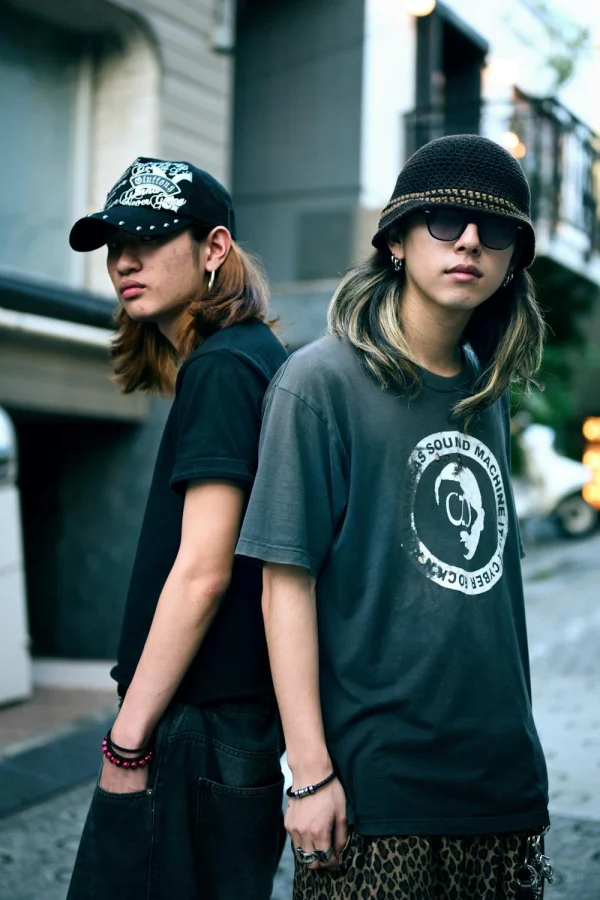
Tokyo street fashion is influencing global style in 2026 because it combines individuality, oversized silhouettes, layered styling, sneaker culture, anime-inspired aesthetics, and wearable experimentation. Areas like Harajuku and Shibuya have become global fashion references through TikTok, Instagram, Pinterest, K-pop influence, and travel culture.
Why Minimal Fashion Became So Popular
Fashion trends no longer spread only through luxury runways. In 2026, some of the world’s most influential style inspiration comes directly from real streets, cafés, subway stations, sneaker stores, and youth culture districts.
And no city represents that shift better than Tokyo.
Tokyo street fashion has become one of the strongest global influences on modern style because it combines creativity with wearability. Instead of forcing one dominant trend, Tokyo fashion allows multiple aesthetics to exist together: oversized streetwear, soft minimalism, anime-inspired styling, techwear, Korean-influenced layering, vintage fashion, sneaker culture, and gender-neutral outfits.
For readers of The Fashion Trending, this topic matters because Tokyo fashion is no longer just a local Japanese trend. It is actively shaping how Gen Z dresses globally.
Tokyo fashion is not only about what people wear. It is about how a real city turns personal identity into everyday street style.
Why Tokyo Became a Global Fashion Capital
Tokyo became a global fashion capital because the city treats fashion as a form of identity instead of only appearance. Unlike many fashion cultures that focus heavily on luxury branding, Tokyo street style encourages individuality and experimentation.
People mix vintage clothing, luxury pieces, thrift fashion, sneakers, oversized tailoring, anime aesthetics, and minimalist basics. This creates outfits that feel personal instead of overly commercial.
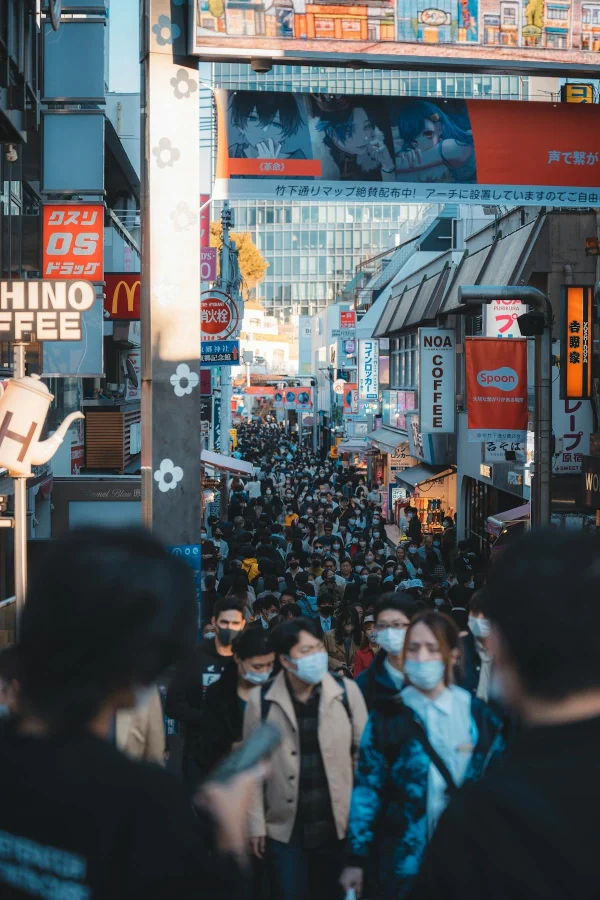
Districts like Harajuku, Shibuya, Shimokitazawa, and Omotesando became internationally recognized because they represent completely different fashion personalities inside the same city. Harajuku is known for expressive styling and youth fashion. Shibuya is connected with streetwear, sneakers, and urban culture. Shimokitazawa is associated with vintage fashion and thrift shopping. Omotesando brings a more polished luxury-meets-streetwear aesthetic.
That diversity made Tokyo fashion extremely attractive online. It gives global audiences something that feels both aspirational and real.
Harajuku and Shibuya Changed Youth Fashion
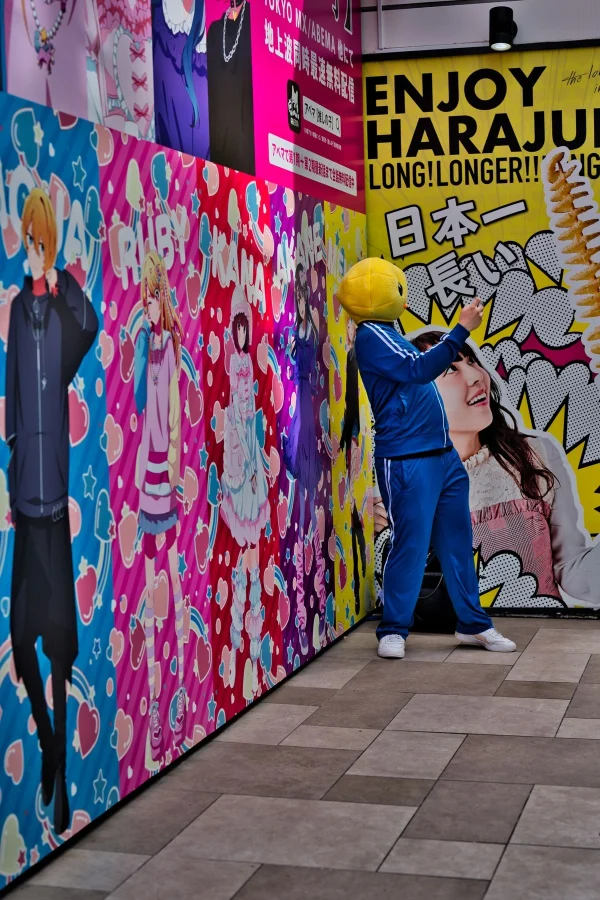
Harajuku played a major role in making Tokyo fashion globally famous. For years, Harajuku represented fearless self-expression through colorful layering, oversized silhouettes, platform shoes, graphic fashion, and experimental styling.
Meanwhile, Shibuya developed a more modern streetwear identity connected to sneakers, oversized tailoring, Korean fashion influence, monochrome outfits, and minimal street styling.
Today, these districts continue influencing global youth fashion through social media content, travel photography, fashion creators, and TikTok styling videos.
One reason this influence feels stronger in 2026 is because modern consumers are becoming tired of overly polished influencer fashion. Tokyo streetwear feels more authentic because it comes from real people, real neighborhoods, and real street culture.
Why Gen Z Connects With Tokyo Fashion
Gen Z connects strongly with Tokyo fashion because it values individuality over perfection. For years, fashion trends online pushed highly curated luxury aesthetics. But younger audiences increasingly prefer fashion that feels expressive and emotionally personal.
Tokyo street style supports experimentation, layered identities, comfort, oversized silhouettes, and visual storytelling. This matches how Gen Z uses fashion psychologically.
Many young consumers now treat clothing as identity, mood, personality, and online self-expression. Tokyo fashion reflects that mindset better than highly traditional luxury fashion.
This is why Tokyo streetwear is not just a visual trend. It is a cultural signal. It tells readers that fashion can be creative, imperfect, expressive, and still wearable.
Oversized Streetwear and Layered Styling
One of Tokyo fashion’s biggest influences on global style is oversized layering. Wide-leg trousers, oversized shirts, layered jackets, relaxed tailoring, and loose silhouettes became mainstream largely because Asian streetwear aesthetics gained international popularity.
In 2026, oversized fashion works because it combines comfort, practicality, visual balance, and modern proportions.
Tokyo styling often layers oversized shirts, utility jackets, hoodies, cargos, long coats, and minimalist accessories. This creates outfits that feel stylish without looking overly formal.
Another reason oversized fashion became popular is practicality. Younger audiences prioritize comfort more than previous generations. Fashion is becoming less restrictive physically and socially.
Anime and Pop Culture Influence
Anime culture also helped Tokyo fashion become globally influential. Many modern fashion aesthetics borrow inspiration from anime silhouettes, cyberpunk visuals, graphic layering, oversized outerwear, futuristic styling, and expressive accessories.
This influence became stronger because anime itself became mainstream globally through streaming platforms and social media communities.
Interestingly, modern anime-inspired fashion is often subtle. Instead of cosplay-style outfits, readers now prefer muted graphic pieces, oversized hoodies, layered monochrome outfits, and futuristic streetwear elements.
Tokyo fashion successfully blends fantasy influence with wearable styling. That is why it appeals to both fashion audiences and pop culture communities.
Anime and Pop Culture Influence
Anime culture also helped Tokyo fashion become globally influential. Many modern fashion aesthetics borrow inspiration from anime silhouettes, cyberpunk visuals, graphic layering, oversized outerwear, futuristic styling, and expressive accessories.
This influence became stronger because anime itself became mainstream globally through streaming platforms and social media communities.
Interestingly, modern anime-inspired fashion is often subtle. Instead of cosplay-style outfits, readers now prefer muted graphic pieces, oversized hoodies, layered monochrome outfits, and futuristic streetwear elements.
Tokyo fashion successfully blends fantasy influence with wearable styling. That is why it appeals to both fashion audiences and pop culture communities.
Korean Fashion and Tokyo Style Overlap
Tokyo streetwear and Korean fashion now influence each other heavily. Both aesthetics prioritize oversized silhouettes, relaxed tailoring, neutral palettes, layering, and visually balanced outfits.
However, Tokyo street fashion is usually more experimental, while Korean fashion often feels softer and cleaner.
This overlap helped Asian fashion aesthetics dominate globally because they feel modern, wearable, comfortable, and highly photogenic.
Many current global trends actually combine Korean minimalism, Tokyo layering, American streetwear, and European tailoring. Fashion in 2026 is becoming increasingly global, and Tokyo is one of the clearest examples of that shift.
Sneaker Culture in Tokyo
Tokyo also became one of the world’s most influential sneaker cities. Sneaker stores in areas like Shibuya and Harajuku shaped limited-edition culture, vintage sneaker demand, minimalist sneaker styling, and streetwear fashion identity.
Sneakers are important in Tokyo fashion because they balance expressive outfits with practicality. Popular Tokyo styling often includes wide-leg trousers, oversized outerwear, monochrome layering, and statement sneakers.
This formula is now visible globally across TikTok, Pinterest, Instagram, and fashion blogs.
Tokyo sneaker culture also connects naturally with thrift fashion. Many stylish outfits mix vintage pieces with clean sneakers, creating a look that feels personal rather than copied.
Why Tokyo Fashion Performs So Well on Social Media
Tokyo fashion performs extremely well online because it is visually distinctive. Social media rewards recognizable aesthetics, strong silhouettes, layered visuals, expressive styling, and cinematic environments.
Tokyo naturally provides all of these elements. Neon-lit Shibuya streets, minimalist cafés, vintage stores, subway stations, and Harajuku fashion districts create highly shareable visual content.
Tokyo fashion also photographs well because layered outfits create depth and movement. This is why travel creators, fashion influencers, and Pinterest boards consistently use Tokyo-inspired aesthetics.
The Rise of Gender-Neutral Fashion
Another reason Tokyo fashion became influential is its connection to gender-neutral styling. Many Tokyo outfits prioritize silhouette, layering, texture, and styling balance instead of rigid gender rules.
Oversized clothing naturally supports this movement because relaxed fits work across different body types and styling preferences.
Gen Z audiences especially connect with this flexibility because modern fashion is becoming more identity-focused and less rule-based. Tokyo fashion feels progressive without trying too hard.
Why Tokyo Fashion Feels More Authentic
One reason Tokyo fashion resonates globally is because it feels less commercialized than traditional luxury fashion. Instead of copying runway looks directly, Tokyo streetwear often feels personal, experimental, emotional, and community-driven.
This authenticity matters in 2026 because consumers are becoming more skeptical of overly polished influencer culture.
Readers now trust fashion that feels wearable and human. Tokyo fashion succeeds because it allows imperfection and individuality.
What Tokyo Streetwear Says About Fashion in 2026
Tokyo street fashion reflects several larger fashion shifts happening globally: comfort over restriction, individuality over conformity, layering over perfection, expression over branding, and practicality over formal dressing.
Fashion is becoming more emotionally driven. People no longer want clothing that only looks expensive. They want clothing that reflects personality, creativity, and lifestyle.
Tokyo fashion represents that evolution extremely well.
Final Thoughts
Tokyo street fashion is influencing global style in 2026 because it reflects how modern consumers actually want to dress. People now prioritize comfort, identity, creativity, layering, individuality, and wearable self-expression.
Tokyo fashion combines all of these elements naturally.
For The Fashion Trending, this type of blog is strategically powerful because it combines fashion culture, real-world trend analysis, social media psychology, travel aesthetics, and global streetwear evolution.
Instead of only explaining trends, it explains why an actual city is shaping global fashion behavior. That creates stronger authority, deeper readability, and more premium fashion content.
FAQs
Why is Tokyo street fashion so popular in 2026?
Tokyo street fashion is popular because it combines oversized styling, individuality, layered outfits, sneaker culture, and wearable creativity.
What areas in Tokyo influence fashion the most?
Harajuku and Shibuya are the biggest fashion influence districts because they represent youth culture, streetwear, layered styling, and experimental fashion.
How does Tokyo fashion influence global streetwear?
Tokyo fashion influences oversized silhouettes, layering, sneaker styling, anime-inspired aesthetics, and gender-neutral fashion trends globally.
Why does Gen Z like Tokyo fashion?
Gen Z connects with Tokyo fashion because it supports self-expression, individuality, comfort, and identity-driven styling.
Is Tokyo fashion connected to Korean fashion?
Yes. Tokyo and Korean fashion heavily influence each other through oversized silhouettes, layered styling, minimalism, and streetwear aesthetics.